Gongbi painting and materials

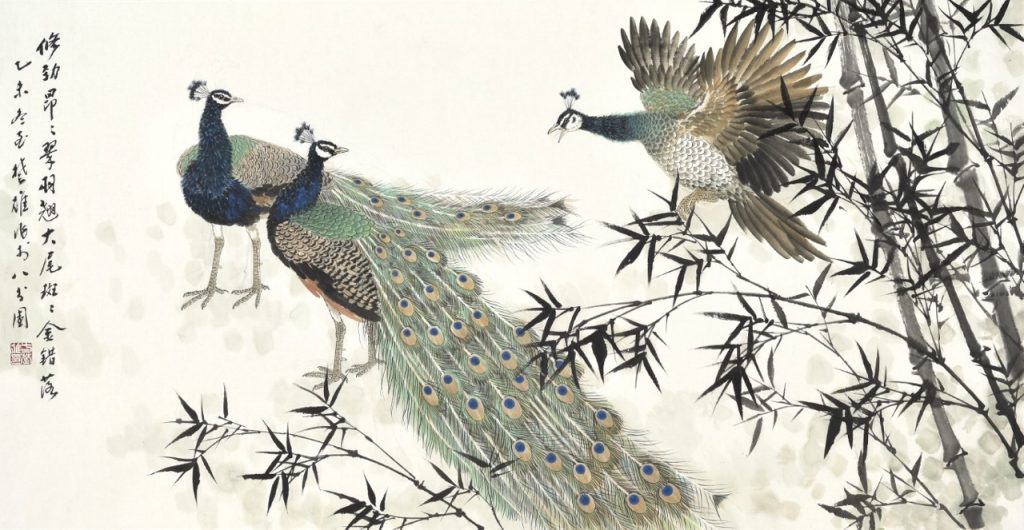
Gongbi (simplified Chinese: 工笔; traditional Chinese: 工筆; pinyin: gōng bǐ; Wade–Giles: kung-pi) is a careful realist technique in Chinese painting, the opposite of the interpretive and freely expressive xieyi (寫意 ‘sketching thoughts’) style.

The name is from the Chinese gong jin meaning ‘tidy’ (meticulous brush craftsmanship). The gongbi technique uses highly detailed brushstrokes that delimits details very precisely and without independent or expressive variation.It is often highly colored and usually depicts figural or narrative subjects.


The gongbi style had its beginnings approximately 2000 years ago during the Han dynasty (206 BC – 220 AD) when Han’s political stability and its prosperity favored the advancement of the arts. These paintings peaked out between the Tang and Song dynasties (7th to 13th centuries) when these refined paintings were endorsed and collected by the royal families of China. To perfect this style the gongbi artists must totally commit themselves to these techniques. Only the wealthy could afford such artists. This style of art was accomplished in secret in royal palaces and private homes. Gongbi is one of the oldest Chinese painting techniques that feature narratives or high authority figures in them.


Gongbi requires drawing with fine lines first to represent the exaggerated likenesses of the objects, and then adds washes of ink and color layer by layer, so as to approach the perfection of exquisiteness and fine art. The practice of Gongbi is specifically on rice paper when sketching out the design and layout of the drawing. Typically, the pencil is used before beginning the second draft with the tipped brushes. The variation and detail in strokes are important especially when layering each wash of ink on top of each other. There are upward and downward strokes used that emphasize detailed pictures such as facial features and insects. After hundreds of years, a technique was developed for all gongbi artists as a system. Lines are used first to contour the figure and determine the fine outlines of the painting. Modest colors are added to the painting that adds onto a sense of nature; flamboyant colors are used when the content of the painting has accentuated lines.

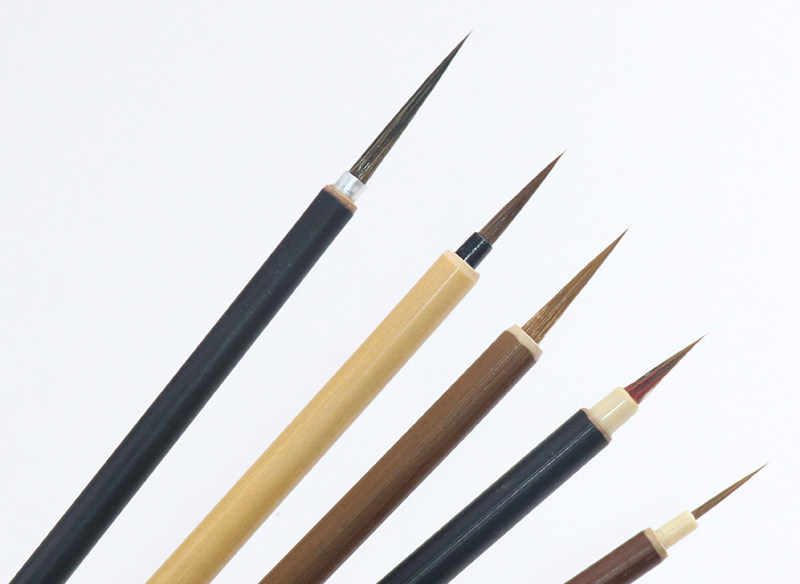
Brushes: 

a fine brush for line drawing,

one medium and one big brush for colouring. soft hair(made from sheep),

one medium and one big brush for tree and rock. hard hair(made from wolf,squirrel, horse…)

Rice Paper(shu xuan ): The type we will use is alum treated for Gongi paintings.

silk: also is alum treated for Gongi paintings.

Chinese Pigments: similar to watercolor, but contains adhesive substances.

1, Chemical pigments,cheap, usually filled in the tube.

2, Natural pigments, from Minerals, plants. And artificial mineral colors. Usually it is powder, you have to adjust the glue by yourself.
Oriental Ink: At this workshop, we will use ready-made oriental ink.

the liquid in the bottle or ink stick, grand by hand.

You will also need a porcelain plate for mixing colors, bowl of water and some kitchen towels. brushes holder

more tools click here